
Capabilities · Pattern making
Pattern Making for Iron Castings
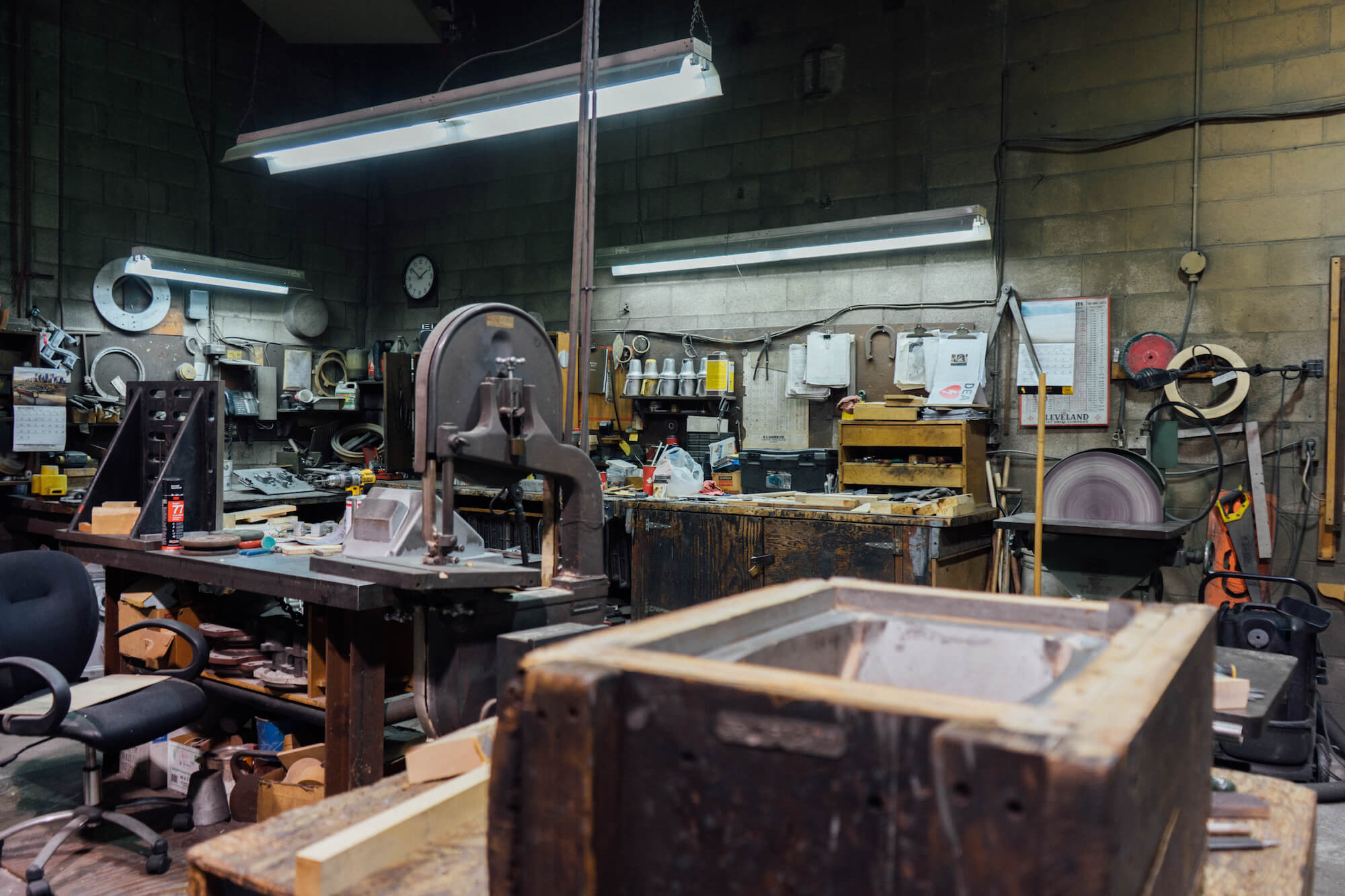
Our in-house pattern shop supports new and existing gray and ductile iron castings, whether we’re starting with established tooling, a drawing or 3D model, or a physical part that needs to be put back into production.
We work with single-use polystyrene foam and wood, supported by CNC technology and 3D-printed sand.
What We Can Start With
Lake Foundry can develop or adapt tooling from existing patterns, core boxes, casting drawings, 3D models, or physical components.
Existing patterns
Core boxes
Casting drawings
3D models
Physical components
Our team evaluates the available information and tooling to determine what can be reused, what needs modification, and where new tooling is required. This flexibility is particularly valuable for legacy castings, replacement parts, and OEMs transferring production from another foundry.
Pattern & Tooling Capabilities
Single-Use Polystyrene Foam
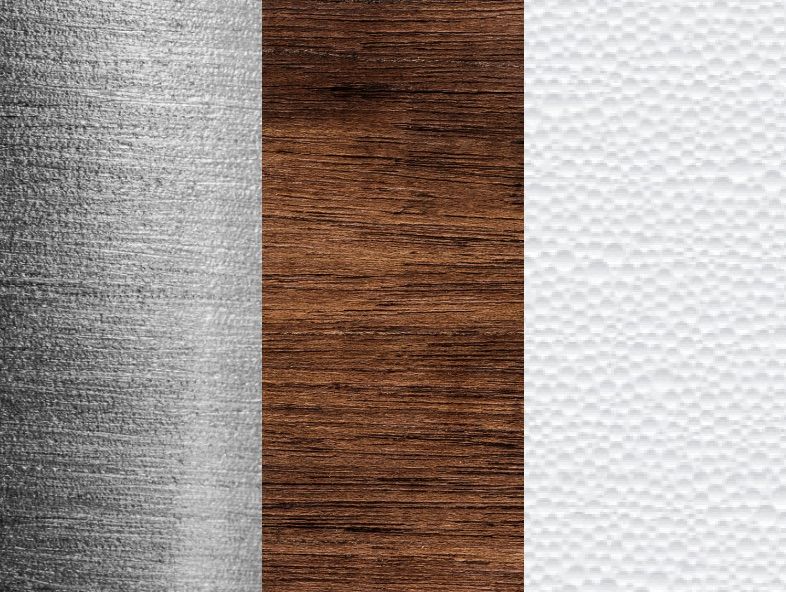
For certain large, complex, or one-off castings, single-use foam gives us another tooling option when conventional production tooling may not make sense for the quantity required.
Wood Patterns
Wood is a practical tooling option for many low-volume casting programs and can be a good fit when the expected production quantity does not justify longer-life tooling.
CNC Technology
CNC technology allows us to work from digital geometry when developing patterns and tooling for new, complex, or low-volume components.
Aluminum Patterns
Lake can also offer aluminum patterns for parts where the expected quantity calls for longer-life tooling than wood.
3D-Printed Sand
3D-printed sand produces the mold and cores directly from a 3D model, so a casting can be made without a conventional pattern. It can make sense for one-off castings and replacement parts with no usable tooling.
Developing Tooling From an Existing Part
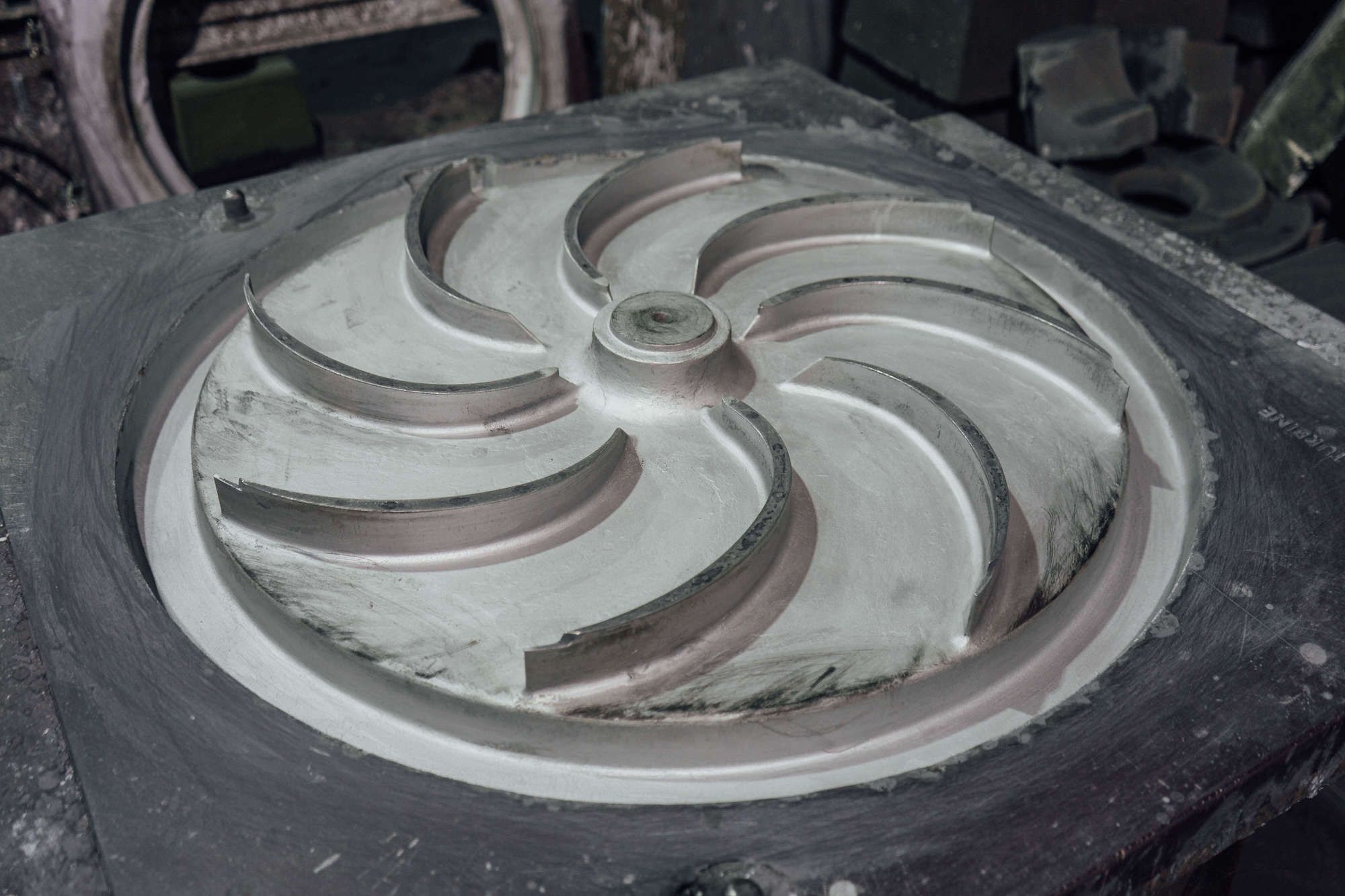
A component that has spent years in service may have worn surfaces, previous repairs, or material removed through machining. Those changes have to be distinguished from the geometry required for the replacement. New tooling also has to account for casting shrinkage, machining stock, and the molding process.
We review the physical part alongside any drawings, specifications, or dimensional information that still exist and use that information to establish what is needed to put the casting back into production.
Integrated Pattern Making & Foundry Production
With pattern making and foundry production under one roof, Lake’s tooling and production teams work directly together to address casting complexity, core configurations, parting requirements, and machining allowances.
This coordination helps identify and resolve potential production challenges during tooling development, reducing the risk of costly modifications, delays, and casting defects.
Tooling for Recurring Parts
Some of the tooling we work with supports part numbers that remain active for years, even when individual orders are relatively small or infrequent.
When an established part returns to production, we review the tooling condition rather than assuming a pattern is ready to run simply because the casting has been made before. Patterns and core boxes can wear or change over time, particularly when there has been a long interval between orders.
For customers with multiple recurring castings, maintaining the tooling and production history allows us to carry what we learned on previous orders into the next production run.
FAQs
Can you produce a casting if the original pattern no longer exists?
Yes. An existing casting can serve as the starting point for new tooling. Lake reviews the part along with any drawings that still exist and accounts for wear, past repairs, machined surfaces, casting shrinkage, and machining stock before building the replacement pattern.
Can you use our existing patterns and core boxes?
Usually. Lake evaluates existing tooling for fit with its molding process and your expected quantities. Tooling that has sat unused for a long time is checked for wear or changes before it goes back into production.
What is the difference between foam and wood patterns?
Single-use polystyrene foam works for large, complex, or one-off castings where building permanent tooling doesn’t make sense for the quantity. Wood suits low-volume programs where longer-life tooling isn’t justified.
Why does an in-house pattern shop matter?
A pattern has to produce a mold that can be assembled, cored, and poured, with enough material left for machining. With the pattern shop in-house, the people building the tooling work directly with the people molding and pouring the casting.
What should I send to start a pattern or tooling project?
Send whatever exists. That can be a pattern or core box, a drawing, a 3D model, or the physical part. Include the expected quantity and how often the part will run so Lake can recommend the right tooling approach.
Have a Casting to Review?
Send us the drawing, 3D model, existing pattern, or physical part, along with the material, quantity, and turnaround you need. If some of that information is missing, send what you have. Our team will review the requirements and work with you to get the casting into production.